China’s Thorium Nuclear Reactor: A Game-Changing Energy Breakthrough!
 by Alex Ramirez [3-12-2025].
Alex Ramirez: With a background in engineering and extensive experience in the industrial sector, Alex has a comprehensive understanding of complex industrial machinery, manufacturing processes, and supply chain management. His expertise lies in analyzing market trends, assessing industrial innovations, and offering practical advice on optimizing production efficiencies and ensuring workplace safety.
(RAD: This is another example where the US has fallen behind in a key energy area. Electric generation in the US has been essentially flat for the past 25 years, even though our population has gone up and our energy needs have gone up. Only 3 traditional nuclear reactors have been build in the US over the past 25 years. China has authorized 10 new nuclear reactors per year since 2022 and China is making sure that they have an abundant supply of electricity & energy.
Regardless of how you try to spin it, the US needs a lot more available energy, including electricity. Solar & wind are intermittent & not adequate. On the nuclear front, both China & Russia are way ahead of the US in their ability to build new nuclear power generation plants. The US doesn't even graduate enough STEM students needed for nuclear power research & building new generation systems, such as the thorium reactors described here. — RAD)
China has just made history by activating the world’s first commercial thorium-fueled nuclear reactor, marking a major breakthrough in safe, sustainable, and efficient nuclear energy. Unlike conventional uranium reactors, this molten salt reactor (MSR) is meltdown-proof, produces minimal long-lived radioactive waste, and operates using thorium—an abundant, safer alternative to uranium.
This innovation could redefine the future of nuclear energy, reducing reliance on fossil fuels and traditional uranium-based power plants. But how does this technology work? And could it finally make nuclear power a universally accepted clean energy source?
Let’s explore the science, advantages, and global implications of China’s thorium nuclear reactor.
What Makes Thorium Reactors Different?
Thorium-based reactors are a radical shift from traditional uranium reactors. They operate using molten salt technology, which offers inherent safety features and greater efficiency.
Key Differences Between Thorium & Uranium Reactors


Why Thorium?
- Safer: Molten salt reactors can shut down passively without meltdown risks.
- Cleaner: Produces less nuclear waste compared to uranium.
- More Sustainable: Thorium is more abundant than uranium and can provide nuclear energy for thousands of years.
How Does China’s Thorium Reactor Work?
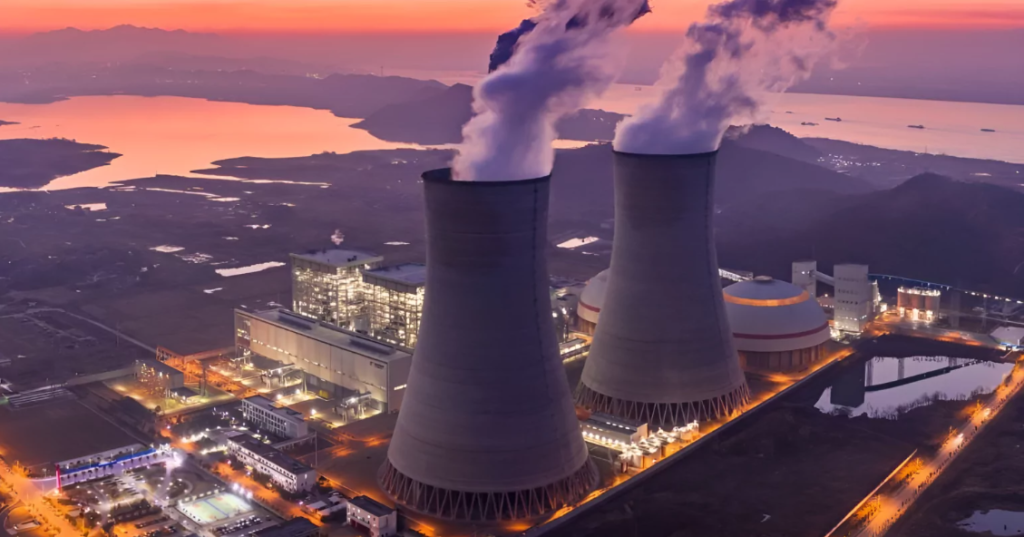
China’s new thorium molten salt reactor (MSR), located in Gansu Province, is a next-generation nuclear system that doesn’t use solid fuel rods like traditional reactors.
How Molten Salt Reactors Work:
- Liquid Fuel: Instead of solid uranium rods, the reactor uses liquid thorium dissolved in molten salt.
- Self-Regulating Temperature: If the reactor overheats, the molten salt expands, reducing nuclear reactions automatically—eliminating meltdown risks.
- Passive Safety Mechanism: In emergencies, a freeze plug at the reactor’s base melts, draining the fuel into a safe storage chamber, stopping reactions instantly.
- Efficient Energy Output: More energy is extracted per unit of fuel, making it one of the most efficient reactor designs ever built.
Why This Technology Is a Game Changer
- No Water Required – Unlike traditional nuclear plants that need massive amounts of water for cooling, MSRs operate with molten salt as a coolant.
- Decentralized Power Production – China could deploy small-scale reactors in remote areas, reducing energy dependence on centralized grids.
- Less Nuclear Waste – The thorium reactor produces minimal hazardous waste, solving one of nuclear energy’s biggest challenges.
The Global Race for Thorium Power

China isn’t alone in the pursuit of thorium energy. Many countries have been researching this technology, but China is the first to launch a commercial thorium reactor.
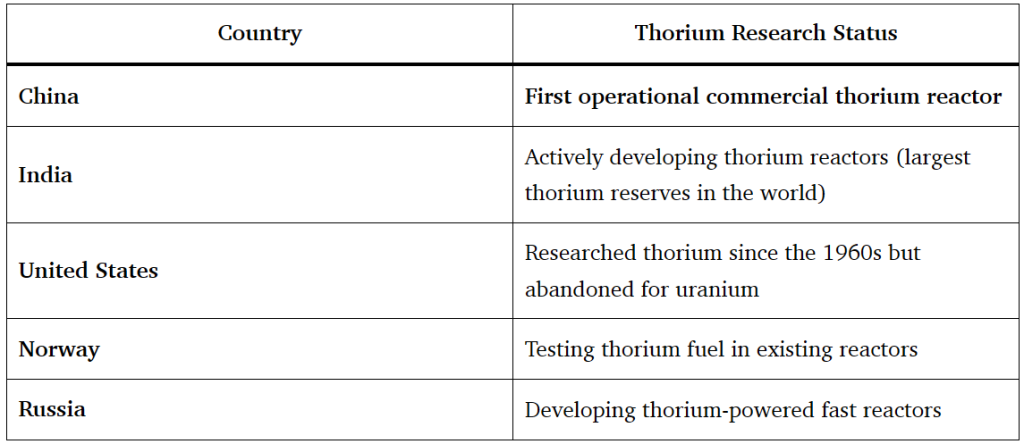
Which Countries Are Developing Thorium Reactors?
Why the U.S. and Others Abandoned Thorium Research
In the 1960s and 70s, the U.S. developed thorium reactors, but abandoned them because:
- Uranium reactors were better for producing nuclear weapons.
- The nuclear industry had already invested heavily in uranium-based technology.
- Political and economic interests prioritized uranium fuel.
Now, as China leads the way, many nations are reconsidering thorium’s potential.
Could Thorium Solve the World’s Energy Crisis?
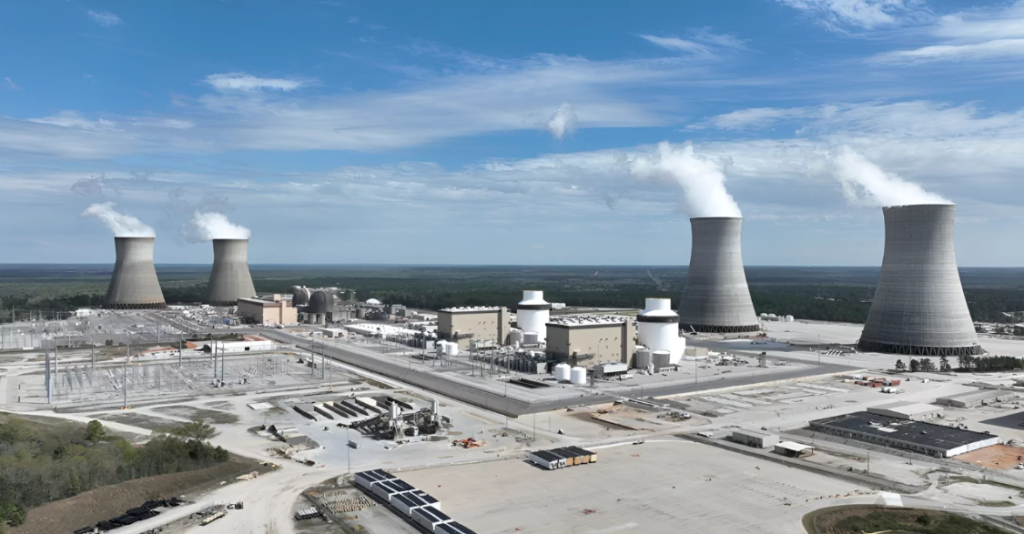
With rising global energy demands, nuclear power is gaining support as a low-carbon energy source. But traditional reactors have major safety risks and waste problems.
Thorium offers a way to produce clean, nearly limitless nuclear energy without the dangers of uranium reactors.
Potential Benefits for the World:
- Carbon-Free Energy – Thorium reactors emit zero carbon dioxide, helping combat climate change.
- Reduced Dependence on Fossil Fuels – Could replace coal and natural gas power plants, reducing pollution.
- No Risk of Nuclear Weapons Proliferation – Unlike uranium, thorium is not easily weaponized.
- Long-Term Energy Independence – With abundant thorium reserves worldwide, nations could become energy-independent.
Challenges That Remain
- High Initial Costs – Building new reactors and infrastructure requires massive investment.
- Political and Industry Resistance – Uranium-based nuclear companies oppose a shift to thorium.
- Regulatory Hurdles – Countries need updated nuclear regulations for thorium adoption.
China’s breakthrough could pave the way for global adoption—but it won’t happen overnight.
The Future of Nuclear Energy: Is Thorium Here to Stay?
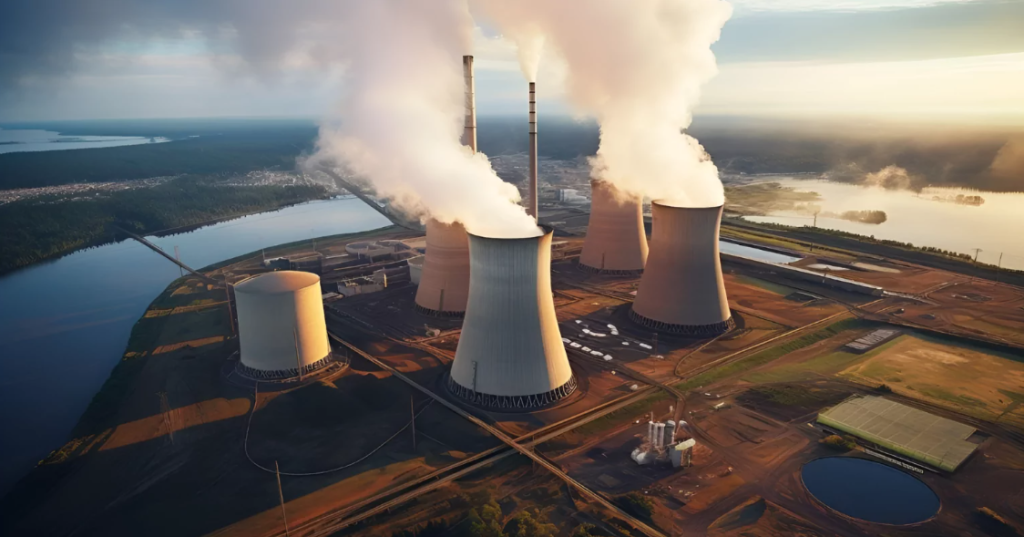
China’s success with its first thorium reactor is a massive milestone, but will the rest of the world follow?
Scenarios for the Future of Thorium Energy
- Scenario 1: Global Expansion – Other countries adopt thorium reactors, phasing out coal and traditional nuclear plants.
- Scenario 2: China Dominates the Market – China becomes the world’s leading exporter of thorium reactor technology.
- Scenario 3: Resistance Slows Adoption – Traditional nuclear and fossil fuel industries fight against thorium’s rise.
The potential is enormous, but political and economic factors will decide whether thorium becomes the future of nuclear energy.
Conclusion
China’s successful launch of the world’s first commercial thorium reactor is a game-changing moment in nuclear energy history. It proves that safer, cleaner, and more sustainable nuclear power is possible.
As the world looks for alternatives to fossil fuels, thorium could emerge as the ultimate energy solution. But whether it replaces traditional nuclear power or remains a niche technology depends on global policies, investment, and public acceptance.
The question is: Will the world embrace thorium before it’s too late?
Related
Russia’s Nuclear Game-Changer: Driving BRICS’ Energy Future [9-26-2025]
Mike Adams & Fadi Lama – Why the West Can’t Win: From Bretton Woods to a Multipolar World [5-3-2024] This explains why The West & the US have serious growth problems. They haven't invested in adequate new energy resources like China & Russia. The can't even keep up with consumer demands & certainly not with the desired new AI data centers.
US NUCLEAR PLANS HIT A WALL [9-30-2025]
China flips nuclear sanctions upside down: now Western regulators are banning Chinese nuke tech [9-15-2025]